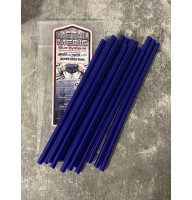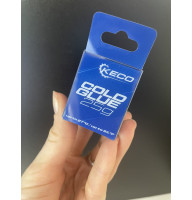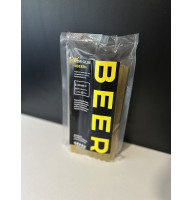
Hot vs cold PDR glue is an important choice when building a paintless dent repair pulling system. Both methods transfer pulling force through an adhesive tab, but preparation, equipment requirements and daily workflow are different.
The right system depends on panel temperature, paint condition, dent geometry and the tools you already own. This comparison helps technicians choose a practical setup without buying unnecessary equipment.
Hot vs Cold PDR Glue: Key Differences
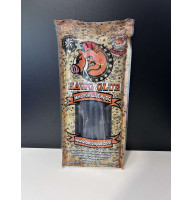
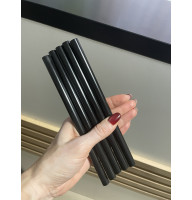
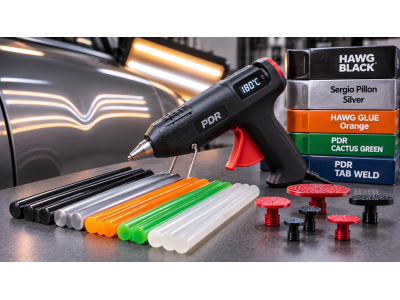
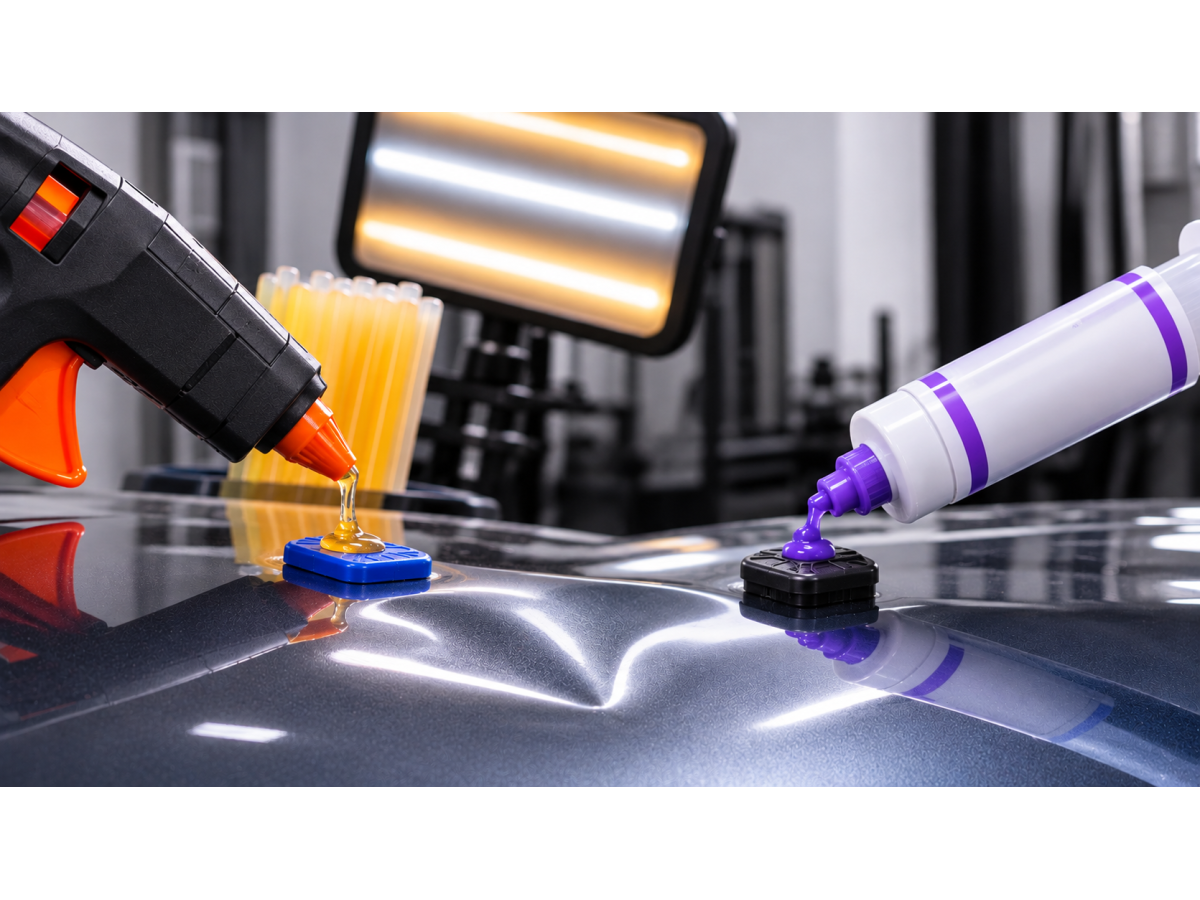
Hot glue is usually supplied in sticks. A glue gun melts the adhesive before application to a compatible pulling tab. After the bond develops, the technician makes a controlled pull.
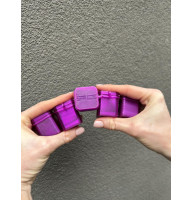
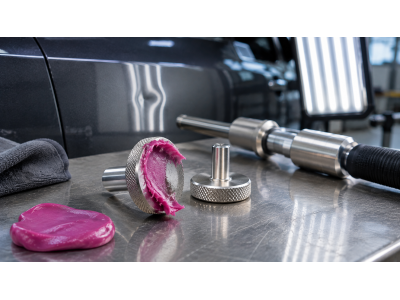
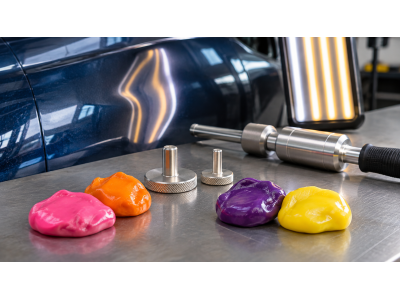
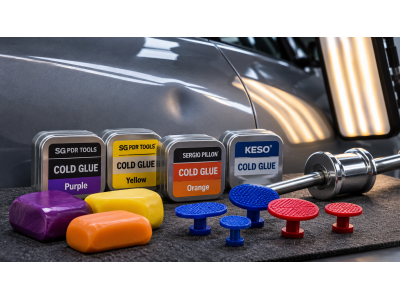
Cold glue is a pliable compound that does not require melting. Many formulations can be reused when clean and properly maintained, although dedicated adapters may be necessary.
| Feature | Hot glue | Cold glue |
|---|---|---|
| Preparation | Heated glue gun | No melting required |
| Reusability | Usually fresh application | Often reusable |
| Equipment | Gun, tabs and puller | Compatible adapters and puller |
| Temperature | Affects application and setting | Affects consistency and adhesion |
When Hot Glue Makes More Sense
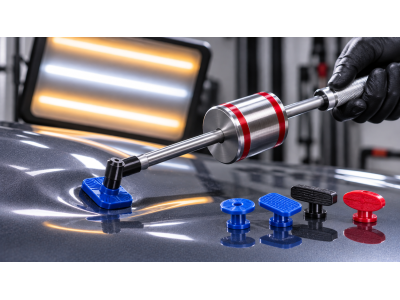
Hot glue is a practical option for technicians who already own a suitable glue gun, pulling tabs and slide hammer or mini lifter. Different adhesive formulations can be selected for specific working conditions.
What matters during application?
- Gun temperature: follow the adhesive manufacturer's instructions.
- Setting time: allow the bond to develop before pulling.
- Panel preparation: keep the contact area clean and dry.
- Residue removal: use a paint-safe method approved for the adhesive.
Vmyaten carries hot glue products including HAWG BLACK and Sergio Pillon Silver. Browse the PDR glue catalog to compare available options.
When Cold Glue Is Worth Considering
Cold glue is useful when a technician wants an external pulling process without a heated glue gun. Some compounds allow repeated pulls with the same adhesive material.
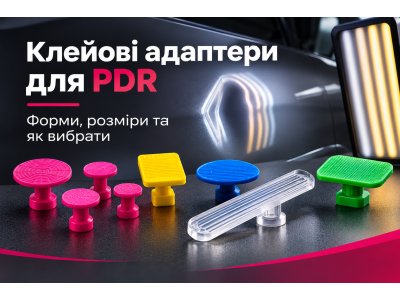
However, cold glue systems require suitable pulling pads and connection hardware. Standard hot glue tabs are not necessarily compatible.
For example, SG PDR TOOLS Purple Cold Glue, 25 g has a specified working range of +15°C to +50°C. Always check the individual product rather than assuming all cold glues perform alike.
When comparing hot vs cold PDR glue, consider the complete tool setup and working conditions, not just the adhesive price.
Which Glue Pulling System Fits Your Workshop?
| Situation | What to consider |
|---|---|
| Already own a glue gun and tabs | A compatible hot glue |
| Prefer a no-melt workflow | A dedicated cold glue system |
| Variable workshop temperatures | Adhesives rated for the actual panel temperature |
| Handle many repair scenarios | Access to both methods |
Neither method guarantees success on every dent. Severe creases, stretched metal and previously repainted panels require careful assessment before adhesive pulling.
What Equipment Do You Need?
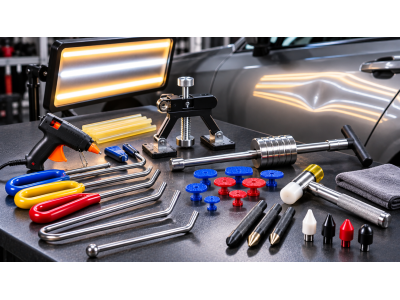
Hot glue setup: glue gun, adhesive sticks, compatible tabs, pulling tool and suitable glue removal products.
Cold glue setup: cold glue compound, compatible pulling adapters and an appropriate puller. Both systems benefit from proper PDR reflection lighting.
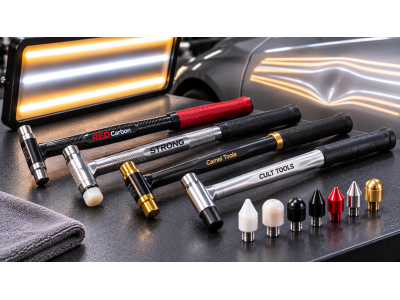
Browse glue pulling tabs and glue pulling tools to build a compatible system.
Frequently Asked Questions
Is hot or cold glue better for PDR?
Neither is universally better. The right choice depends on the repair, panel temperature and available equipment.
Can I use the same pulling tabs for both systems?
Not always. Check tab design, adhesive compatibility and the pulling tool connection.
Is glue pulling safe on repainted panels?
There is an increased risk of paint delamination. Inspect the finish carefully before applying force.
Which glue system should a beginner choose?
Start with a compatible setup suited to your working conditions and practice controlled pulling before advanced repairs.
Final Verdict: Hot or Cold Glue for PDR?
The hot vs cold PDR glue decision should be based on your existing tools, typical repairs, working temperatures and total equipment costs.
At Vmyaten, you can compare adhesives and compatible paintless dent repair equipment for both methods. Check product specifications before ordering.