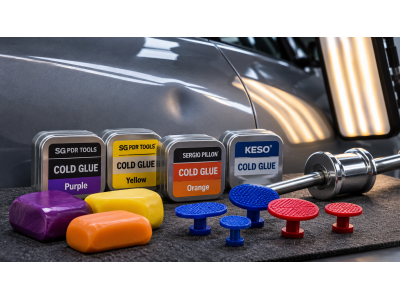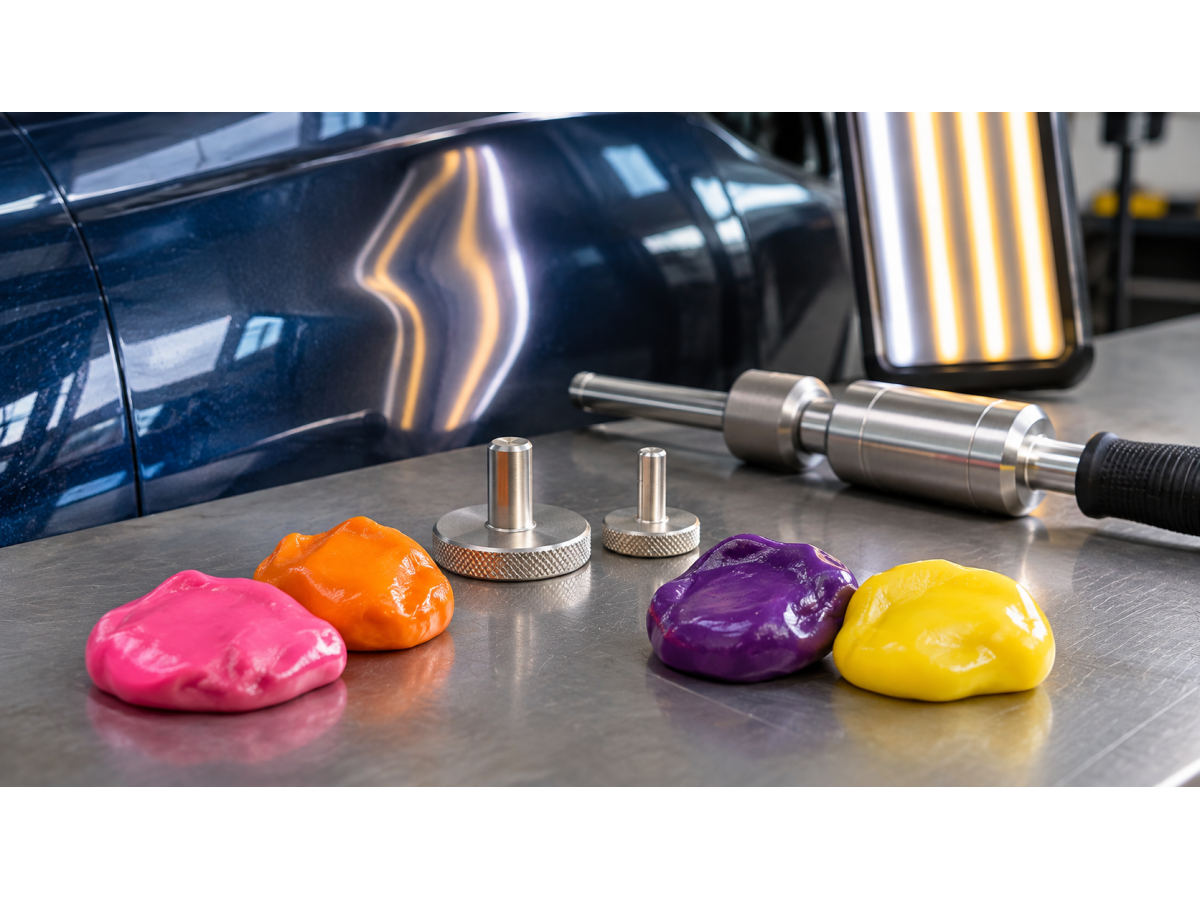
Sergio Pillon vs SG PDR Tools: which cold glue formula should you choose for paintless dent repair? Both brands offer adhesives for external dent pulling, but their individual formulations have different published working conditions.
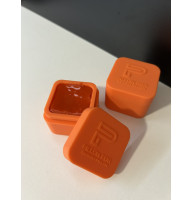
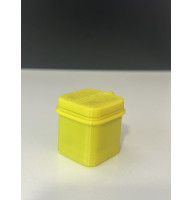
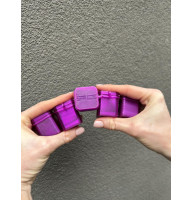
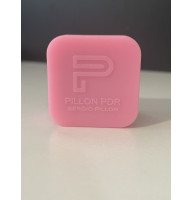
This guide compares Sergio Pillon Pink and Orange with SG PDR TOOLS Purple and Yellow. We look at temperature ranges, adhesive behavior, preparation requirements and practical buying considerations rather than declaring an untested winner.
Sergio Pillon vs SG PDR Tools: Key Differences
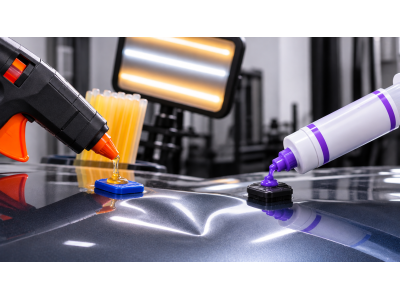
Cold glue transfers pulling force through a dedicated adapter without melting the adhesive in a hot glue gun. The result depends on panel temperature, adhesive condition, adapter geometry and pulling technique.
Color and brand name alone cannot establish which formulation provides the strongest bond. The documented operating conditions are a more useful starting point.
Explore professional PDR cold glue at Vmyaten.
Comparing Pink, Orange, Purple and Yellow Cold Glue
| Formula | Published specification | Selection consideration |
|---|---|---|
| Sergio Pillon Pink | 25 g; +5 to +40 °C | Published range includes cooler conditions |
| Sergio Pillon Orange | 25 g; summer formulation | Confirm the exact temperature limits |
| SG PDR TOOLS Purple | 25 g; +15 to +50 °C | Published range extends into hotter conditions |
| SG PDR Tools Yellow | 25 g; no confirmed temperature range | Request operating specifications |
All four products are listed in 25 g packs. These are published product specifications, not standardized adhesive-strength test results.
Which Cold Glue Should You Choose by Temperature?
| Panel temperature | Formula to consider | Reason |
|---|---|---|
| Around +10 °C | Sergio Pillon Pink | Its listed range starts at +5 °C |
| +20 to +30 °C | Pink or Purple | Both published ranges include these conditions |
| Around +45 °C | SG PDR TOOLS Purple | Listed upper limit of +50 °C |
| Summer conditions | Sergio Pillon Orange | Marketed as a summer formula; exact limits need confirmation |
These examples help narrow your options but do not guarantee a particular repair result. A vehicle panel can be considerably warmer or cooler than the surrounding air.
Adhesion, Cohesion and Pulling Control
Adhesion describes how well the glue bonds to the relevant surface. Cohesion refers to the material's internal strength under load.
Pulling control matters just as much in practical PDR work. A technician needs predictable force transfer rather than maximum pull at any cost.
If glue releases from the adapter, inspect the contact surface and preparation. If the adhesive tears within itself, review its condition and applied load. If the bond holds but the dent barely moves, examine the dent geometry and pulling direction.
A wider temperature range does not demonstrate higher adhesive strength. Controlled testing under comparable conditions would be required for that conclusion.
Preparing Cold Glue for Reliable Work
- Inspect the finish. Check for repainting, damaged clear coat or weak paint adhesion.
- Check panel temperature. Compare the reading with the adhesive's published range.
- Inspect the glue. Keep contamination away from its working surface.
- Prepare the formulation. SG PDR TOOLS Purple is recommended to be kneaded until soft and uniform. Follow individual instructions for other formulas.
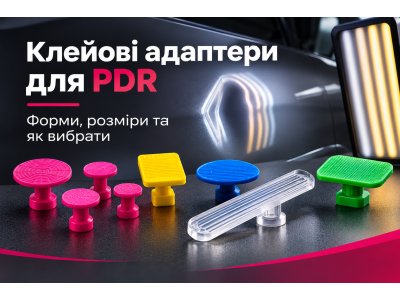
- Choose the correct adapter. Match the contact area and attachment to the cold glue system.
- Apply controlled pulls. Inspect panel reflections between adjustments.
Explore compatible PDR glue adapters and cold glue pulling tools.
How to Compare Two Cold Glue Formulas Fairly
For a useful workshop comparison, keep the adapter type, panel temperature and pulling setup consistent. Prepare each adhesive according to its instructions.
Observe release behavior, residue, ease of handling and pull controllability. Avoid making aggressive test pulls on compromised paint.
Such comparisons can help establish your working preferences, but testing different dents does not establish a universal ranking of adhesive strength.
Which Cold Glue Offers Better Value?
Since the four listed formulas come in 25 g packs, current pack prices can be compared directly. However, the cheapest product is not automatically the most economical choice.
Consider how well a formula suits your working temperature, how easily it can be handled and reused, and whether it works consistently with your adapters.
Check product pages for current prices and availability rather than relying on static figures in an article.
Frequently Asked Questions
Sergio Pillon vs SG PDR Tools: which is better for PDR?
Neither is universally better. Compare specific formulas, published temperatures, handling characteristics and compatibility with your adapters.
How is Sergio Pillon Pink different from SG PDR TOOLS Purple?
Pink lists +5 to +40 °C, while Purple lists +15 to +50 °C. These are different working conditions, not proof of stronger pulling performance.
Which cold glue can I consider at +30 °C?
Both Sergio Pillon Pink and SG PDR TOOLS Purple have published ranges covering +30 °C. The best practical choice depends on the working setup.
Is Sergio Pillon Orange intended for summer use?
Yes. It is listed as a summer formula, but its exact temperature limits should be confirmed before use.
Does a wider temperature range mean stronger adhesion?
No. Temperature ranges describe published operating conditions. Adhesive strength requires separate comparative testing.
Where to Buy Sergio Pillon and SG PDR Tools Cold Glue
When choosing between Sergio Pillon vs SG PDR Tools products, focus on your panel temperature, the exact formulation and the compatibility of your pulling system.
Vmyaten offers products from both brands. Compare Pink, Orange, Purple and Yellow, review the latest specifications and select the formula that matches your workshop conditions.