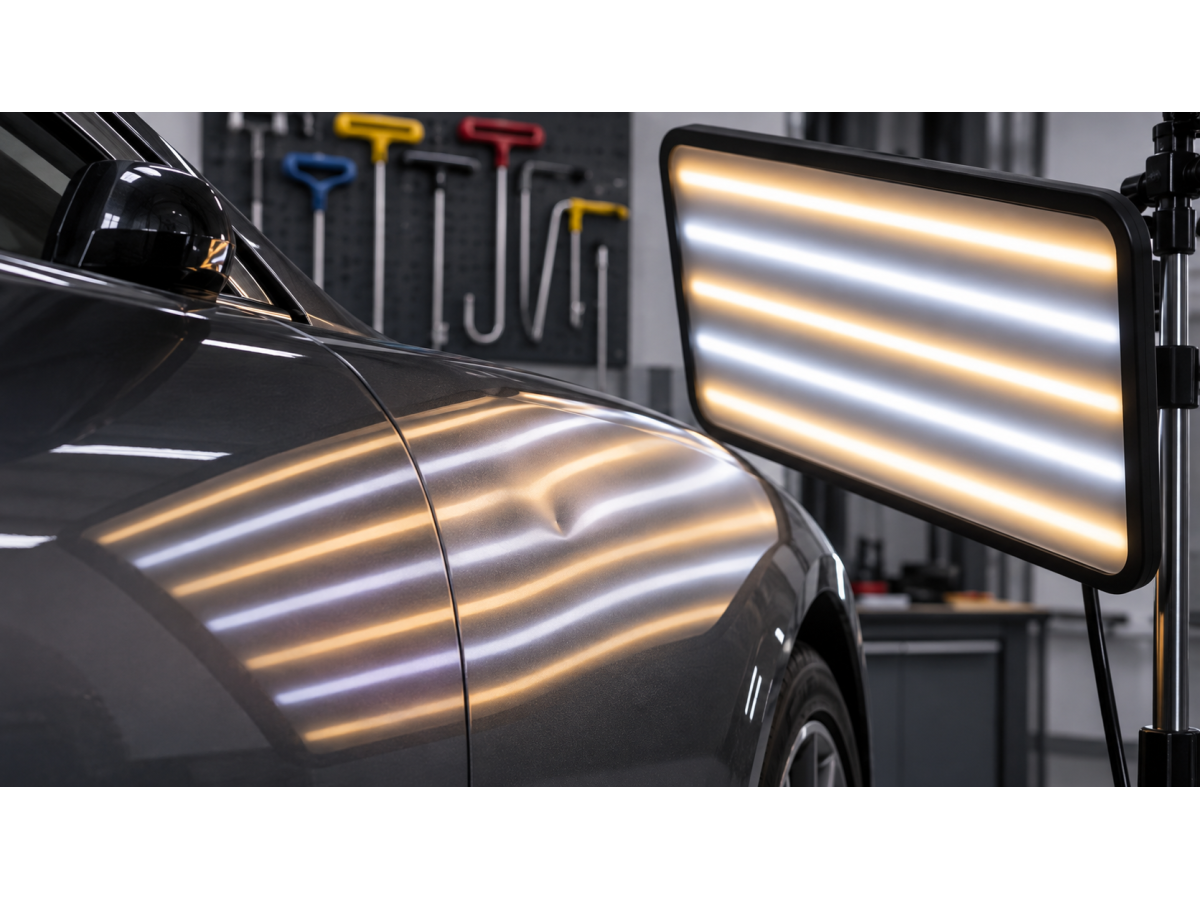
A professional PDR light helps technicians identify low spots, high spots and subtle panel distortion during paintless dent repair. Reflected LED strips make surface changes easier to see than ordinary workshop lighting.
However, choosing the right setup takes more than comparing strip counts. Panel dimensions, reflection quality, mounting stability and power compatibility all affect daily work. This guide explains what matters before buying and how to avoid paying for unsuitable equipment.
How Does a PDR Light Work?
A reflection light projects a controlled pattern onto the painted surface. On a smooth panel, reflected lines appear consistent. Where the metal is distorted, the pattern bends or changes shape.
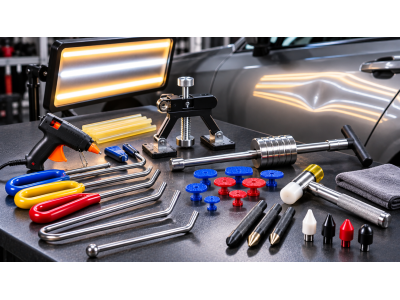
Technicians use these reflections when pushing with PDR rods, performing glue pulls or knocking down high spots. Moving the light and changing the viewing angle helps reveal different areas of the dent.
Browse professional PDR LED lights to compare available designs.
How to Choose a PDR Light: 5 Buying Factors
The right PDR light should give you a readable reflection while allowing enough room to work safely around the vehicle.
1. Panel size
Compact lights are practical for small dents and frequent repositioning. Mid-size panels offer flexibility for doors and fenders, while longer panels provide wider reflections across hoods and roofs.
2. Three, six or nine LED strips?
Three strips can be sufficient for selected tasks. Six provide additional reflection references, while nine may create a denser pattern depending on the panel design.
More strips do not automatically mean better dent reading. Contrast, strip spacing, brightness control and reflection clarity matter just as much.
3. Warm and cool white modes
Mixed-color lighting can help adjust contrast on different paint finishes. Switching between warm and cool white strips may improve visibility depending on ambient lighting and individual working preferences.
4. Mounting system
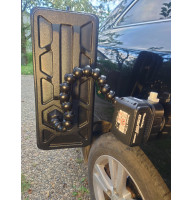
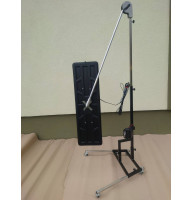
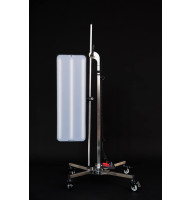
Large panels generally benefit from a stable stand. Articulating arms, magnetic mounts and suction-based systems offer alternatives when compatible with the lamp and working surface.
Check mounting diameter, load capacity, reach and adjustment range.
5. Power compatibility
For workshop use, check cable length and power supply requirements. Mobile technicians should also consider battery compatibility and operating time.
A 12 V lamp must not be connected directly to an 18 V battery unless the manufacturer explicitly permits it. A suitable voltage converter may be required.
Which PDR Lighting Setup Fits Your Work?
| Application | Suggested format | Priority |
|---|---|---|
| Small dents | Compact LED panel | Easy positioning |
| Doors and fenders | Mid-size panel | Flexible adjustment |
| Hoods and roofs | Long LED panel | Reflection area and stand |
| Mobile repairs | Portable battery light | Runtime and charging |
How to Position a PDR Reflection Light
Position the panel so its reflection crosses the damaged area. Adjust the lamp and your viewing position until the lines clearly reveal the distortion.
Watch how the reflected pattern changes during each repair step. If a high spot develops, reassess the metal before making another pull or push.
Dark and light paint finishes may require different lighting settings. There is no single ideal angle or brightness level for every repair.
Comparing PDR LED Lights at Vmyaten
For a fixed workshop setup, consider the Jazz 30 × 90 cm lamp with six LED strips and an included stand. It offers individual strip switching and overall brightness adjustment.
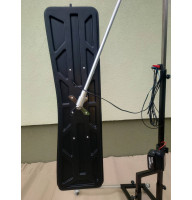
Another option is the 99 × 25(27) cm semi-oval LED panel with three warm white and three cool white strips. It operates on 12 V and requires a separately purchased stand.
For smaller working areas, the catalog includes Jazz 20 × 40 cm lamps. Mobile technicians can also consider the Jazz 90 × 155 mm pocket light.
Compare these models in the PDR lighting catalog, including available stands, mounts and power accessories.
Common Mistakes When Buying PDR Lighting
- Choosing by strip count alone. Good reflections and adjustment are more important.
- Buying an oversized lamp. Large panels may be difficult to position in tight spaces.
- Ignoring the stand. Unstable mounting makes reflections harder to read.
- Overlooking power requirements. Battery fit does not guarantee voltage compatibility.
A properly positioned PDR light should improve dent reading without obstructing tools or the technician's view.
Frequently Asked Questions
Are 3, 6 or 9 LED strips better for PDR?
There is no universal winner. Panel size, reflection quality and lighting controls matter more than strip count alone.
Is warm or cool white lighting better?
Both can be useful. Mixed-color lighting allows technicians to adjust reflection contrast for different working conditions.
What PDR light should a beginner buy?
A versatile mid-size panel with adjustable lighting and compatible mounting equipment is a practical starting point.
Can an 18 V battery power a 12 V PDR lamp?
Only through a compatible adapter that provides the required voltage and electrical specifications.
Where to Buy a Professional PDR Light
Before choosing a PDR light, consider which vehicle panels you repair most often and whether you need portable equipment or a fixed stand-mounted system.
At Vmyaten, you can compare LED reflection lights, portable lamps, stands and power accessories. Choose equipment that suits your workflow and confirm compatibility before ordering.